
COVID-19 Vaccination in 2025: Why It Still Matters
November 4, 2025
How GLP-1 Medicines Work
December 8, 2025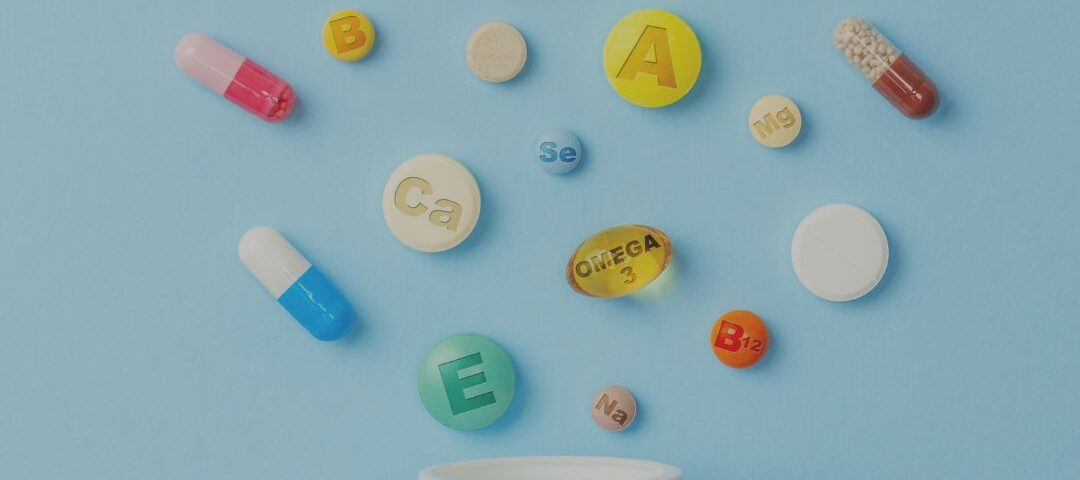
Vitamins and minerals are tiny nutrients with huge importance. From keeping our bones strong to supporting immunity and energy levels, they work quietly in the background every single day. But with so many supplements, headlines and conflicting advice, it can be hard to know: how much do we really need… and can you have too much of a good thing?
This guide breaks down the essentials, based on the UK NHS and Government Dietary Recommendations, including where to find each nutrient, what happens if you get too little or too much, and how to understand dosage labels (like mg, µg and IU).
Understanding Dosages: mg, µg and IU Explained
When you look at supplement labels, you’ll see different units:
- mg — milligram = one-thousandth of a gram (e.g. 40 mg Vitamin C = 0.04 g).
- µg (microgram) — one-millionth of a gram (written as “mcg” on some labels).
Example: Vitamin B12 is needed in micrograms—just 1.5 µg a day.
- IU (International Units) — used for some fat-soluble vitamins, especially D and E.
Example: 10 µg Vitamin D = 400 IU.
(Conversion: 1 µg = 40 IU for Vitamin D.)
It’s easy to mix these up—so always double-check whether your supplement lists µg, mg, or IU before comparing numbers.
Why Vitamins & Minerals Matter
We need 13 vitamins and around 15 essential minerals for growth, repair, and good health.
Each one has its own job—Vitamin C helps with healing, Iron carries oxygen in your blood, Vitamin D keeps bones strong, and so on. Most people can get what they need from a balanced diet, but some may need supplements at certain times of year or life stages.
The Essential Vitamin & Mineral Table
Below is a condensed overview: recommended daily amounts (RDA) for UK adults, where to find them, and what happens if you have too much.
✅ Tip: Think food first. Supplements are a top-up, not a substitute for a balanced diet.
| Nutrient | Recommended Daily Amount (Adults 19–64 yrs, UK) | Common Food Sources | Safe Upper Limit / Possible Harm from Excess | Key Sources |
|---|---|---|---|---|
| Vitamin A (retinol + beta-carotene) | M 700 µg RE / F 600 µg RE | Liver (once a week max), cheese, eggs, oily fish, milk, carrots, sweet potatoes | >1 500 µg per day may weaken bones; avoid high intake if pregnant | NHS A · SACN 2016 |
| Thiamin (B1) | M 1.0 mg / F 0.8 mg | Wholegrains, pork, peas, beans, nuts | No known toxicity from food sources | NHS B vitamins |
| Riboflavin (B2) | M 1.3 mg / F 1.1 mg | Milk, eggs, mushrooms, fortified cereals | No harm reported below 40 mg/day | same as above |
| Niacin (B3) | M 16.5 mg / F 13.2 mg | Meat, poultry, fish, wholegrains | High dose supplements can cause flushing & liver damage | NHS Niacin |
| Vitamin B6 (pyridoxine) | M 1.4 mg / F 1.2 mg | Pork, poultry, fish, bananas, oats, fortified foods | >200 mg/day → nerve damage | NHS B6 |
| Folate / Folic acid (B9) | 200 µg (400 µg if trying for pregnancy or 1st trimester) | Leafy greens, beans, peas, fortified cereals | >1 mg/day may mask B12 deficiency | NHS Folate |
| Vitamin B12 | 1.5 µg | Meat, fish, eggs, dairy, fortified plant foods | No known toxicity in healthy people | NHS B12 |
| Vitamin C (ascorbic acid) | 40 mg | Citrus fruit, berries, peppers, broccoli, potatoes | >1 000 mg/day → diarrhoea, stomach pain | NHS C |
| Vitamin D | 10 µg (400 IU) daily supplement in autumn–winter | Oily fish, red meat, egg yolk, fortified foods, sunlight | >100 µg (4 000 IU) → high calcium, kidney/heart damage | NHS D |
| Vitamin E | ~3–4 mg | Vegetable oils, nuts, seeds, greens | High dose supplements may affect clotting | NHS E |
| Vitamin K | No set RNI (adequate intake ~1 µg/kg body weight) | Leafy greens, veg oils, dairy | Interferes with warfarin; otherwise low toxicity | NHS K |
| Calcium | 700 mg | Milk, cheese, yogurt, greens, sardines (bones), fortified plant milks | >1 500 mg → kidney stones | NHS Calcium |
| Iron | M 8.7 mg / F 14.8 mg | Red meat, beans, fortified cereals, leafy greens | Excess → constipation, liver damage (>45 mg supplemental) | NHS Iron |
| Iodine | 140 µg | Seafood, dairy, eggs, iodised salt | >500 µg → thyroid problems | NHS Iodine |
| Zinc | M 9.5 mg / F 7 mg | Meat, shellfish, nuts, wholegrains | >25 mg/day → copper deficiency | NHS Zinc |
| Copper | 1.2 mg | Shellfish, nuts, seeds, offal | >10 mg/day → liver damage | NHS Copper |
| Magnesium | M 300 mg / F 270 mg | Nuts, seeds, wholegrains, leafy greens | >400 mg from supplements → diarrhoea | NHS Magnesium |
| Potassium | 3 500 mg | Fruit & veg (bananas, tomatoes, potatoes), pulses, meat | High supplement intake → heart rhythm issues | NHS Potassium |
| Sodium (salt) | <2.4 g sodium ≈ 6 g salt | Table salt, processed foods | Excess → high blood pressure & heart disease | NHS Salt |
When Supplements May Be Needed
While most nutrients come from food, there are a few exceptions:
- Vitamin D: Everyone in the UK is advised to consider a 10 µg supplement during autumn and winter.
- Folic acid: All women trying for a baby (or up to 12 weeks pregnant) should take 400 µg daily.
- Vitamin B12: Vegans should include fortified foods or supplements, as it’s only found naturally in animal products.
- Iron: Some women, especially those with heavy periods or certain diets, may need extra.
- Calcium & Vitamin D: Often recommended in older adults to protect bone strength.
Always talk to your GP or pharmacist before taking supplements, especially if you’re on medication or have a medical condition.
Can You Have Too Much?
Yes—but usually only from supplements, not food.
Fat-soluble vitamins (A, D, E, K) can build up in the body. Minerals like iron, calcium, zinc or selenium can also be harmful in excess.
For example:
- Too much Vitamin A (over ~1 500 µg/day) may weaken bones.
- Too much Vitamin D (over 100 µg/day) can raise calcium levels and damage kidneys.
- High-dose B6 can affect nerves.
Stick to supplements that provide no more than 100% of your daily needs unless prescribed.
Final Thoughts: Balance Is Everything
It’s easy to be tempted by “super-supplements,” but in most cases, a colourful plate and sensible lifestyle do more for your health than any capsule.
Eat a variety of foods, get some sunshine, stay hydrated—and let your vitamins and minerals do the rest.
“Most people should get all the nutrients they need from a varied and balanced diet.”
— NHS, Vitamins & Minerals guidance
For more help and advice – contact us.